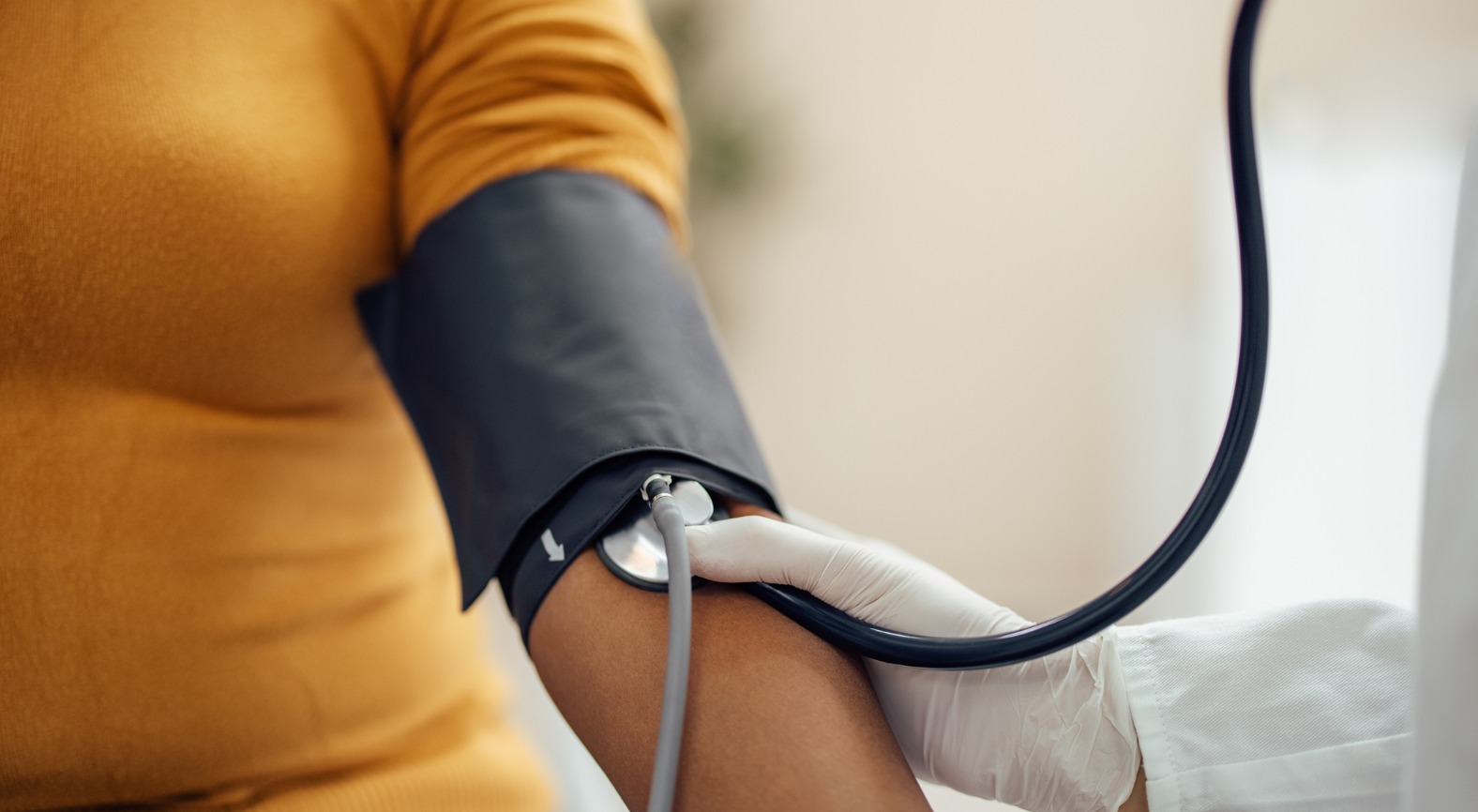
If your doctor has told you that your potassium levels are elevated or that you need to watch your potassium intake, you’re probably wondering what foods you should avoid. Managing potassium through diet can feel overwhelming at first, especially when you discover that many healthy foods like bananas, oranges, and potatoes are actually high in potassium.
You might feel frustrated learning that some of your favorite foods are off-limits. But here’s what many people don’t realize: plenty of delicious, nutritious options are naturally low in potassium. Once you know which foods to limit and which alternatives work well, meal planning becomes much simpler. There are even techniques to reduce the potassium content in some of your favorite vegetables so you can still enjoy them occasionally.
What is Hyperkalemia and Why Does It Matter?
Hyperkalemia is the medical term for having too much potassium in your blood. Potassium is an essential mineral that your body needs to maintain muscle function, especially the heart muscle. In healthy individuals, the kidneys regulate potassium levels and work to keep them within a normal range.
However, when kidney function declines, your kidneys lose their ability to remove excess potassium effectively. This causes potassium to build up in your bloodstream. Additionally, certain medications commonly prescribed to people with kidney disease or heart conditions can also raise potassium levels.
High potassium levels can be dangerous because they affect your heart’s electrical system. When potassium levels become critically high, it can interfere with your heart muscle’s ability to function properly, potentially leading to irregular heartbeats or even cardiac arrest. This is why managing your potassium intake is so important if you have kidney disease or other conditions that affect potassium regulation.
Who Is at Risk for Hyperkalemia?
Several conditions and circumstances can increase your risk of developing high potassium levels:
- Chronic Kidney Disease: As kidney function declines, your kidneys become less efficient at removing potassium from your blood. People with advanced kidney disease (stages 3-5) are at the highest risk.
- Certain Medications: ACE inhibitors, ARBs (angiotensin receptor blockers), potassium-sparing diuretics, NSAIDs, and some other medications can raise potassium levels.
- Diabetes: People with diabetes, especially those with diabetic kidney disease, are at increased risk for hyperkalemia.
- Heart Failure: Both the condition itself and the medications used to treat it can affect potassium levels.
- Adrenal Insufficiency: Conditions affecting your adrenal glands can impact potassium regulation.
If you fall into any of these categories, your doctor may have recommended that you monitor your potassium intake and get regular blood tests to check your levels.
High Potassium Fruits to Avoid
Fruits are generally considered healthy, but many are surprisingly high in potassium. If you have hyperkalemia or are at risk, limit or avoid these fruits:
- Bananas: Perhaps the most well-known high potassium fruit, with about 467 mg of potassium in one medium banana. This is often the first fruit doctors recommend avoiding.
- Oranges and Orange Juice: One medium orange contains 237 mg of potassium, while a half cup of orange juice has 237 mg. The concentrated nature of juice makes it particularly high in potassium.
- Dried Fruits: Raisins (545 mg per half cup), dates (581 mg per half cup), and dried figs (271 mg for just two) are extremely concentrated sources of potassium.
- Melons: Cantaloupe (247 mg per half cup) and honeydew (230 mg per half cup) should be limited.
Other High Potassium Fruits:
- Apricots (canned): 200 mg per half cup (note: raw apricots are lower at 104 mg)
- Nectarine: 288 mg per medium fruit
- Kiwi: 252 mg per medium fruit
- Passion fruit (purple): 410 mg per half cup
- Plantains (cooked): 360 mg per half cup
- Prunes: 415 mg per half cup
- Prune juice: 354 mg per half cup
- Pomegranate: 399 mg per medium fruit
- Pear: 208 mg per medium fruit (canned pears are lower at 152 mg)
- Fruit cocktail: 210 mg per half cup
High Potassium Vegetables to Avoid
- Potatoes and Sweet Potatoes: A medium baked potato contains about 610 mg of potassium, making it one of the highest potassium foods. Sweet potatoes, yams (398 mg per half cup canned), french fries (550 mg per half cup), hash browns (251 mg per half cup), mashed potatoes (315 mg per half cup), and potatoes au gratin are all very high in potassium.
- Leafy Greens: Cooked spinach (canned at 370 mg per half cup), beet greens (650 mg per half cup), and collard greens (246 mg per half cup cooked) are quite high in potassium. Note that raw spinach is much lower at 84 mg per half cup.
- Tomato Products: Fresh tomatoes contain 200 mg per half cup, but concentrated products are even higher. Tomato paste has a whopping 1,228 mg per half cup, tomato sauce contains 454 mg per half cup, and tomato juice has 267 mg per half cup.
- Winter Squash: Cooked winter squash contains 448 mg of potassium per half cup, making it a food to limit. Summer squash, however, is lower at 173 mg per half cup.
- Broccoli: Cooked broccoli is high at 228 mg per half cup. Raw broccoli is lower at 143 mg per half cup.
Other High Potassium Vegetables:
- Avocados: 558 mg per half cup (including guacamole)
- Brussels sprouts (cooked): 250 mg per half cup
- Asparagus (canned or frozen): 200 mg per half cup
- Artichokes: 425 mg per medium artichoke
- Okra (cooked): 258 mg per half cup
- Parsnips: 286 mg per half cup
- Rutabaga (cooked): 277 mg per half cup
- Sauerkraut (canned): 201 mg per half cup
- Kohlrabi (cooked): 280 mg per half cup
The Leaching Technique: How to Reduce Potassium in Some Vegetables
If you’re craving potatoes or sweet potatoes, there’s a technique called leaching that can help reduce their potassium content. While this process doesn’t remove all the potassium, it can lower it enough that you can occasionally enjoy these foods.
How to Leach Potatoes or Sweet Potatoes:
- Peel the potatoes thoroughly
- Rinse them in warm water
- Cut them into thin slices (the thinner, the better)
- Place the slices in a large bowl of cool water
- Let them soak for at least two hours (or even overnight in the refrigerator)
- Drain and rinse the potatoes again with fresh water
- Cook as desired using fresh water
Remember, leached vegetables still contain potassium, so enjoy them in moderation and count them as part of your daily potassium allowance.
What You Can Eat Instead
Many delicious, nutritious foods are naturally low in potassium:
- Low Potassium Fruits: Apples, berries (blueberries at 65 mg, strawberries at 138 mg, blackberries at 141 mg, raspberries at 94 mg), grapes, peaches (160 mg per half cup), pineapple (88 mg per half cup raw), plums (114 mg), tangerines (132 mg), mandarin oranges (132 mg), watermelon (176 mg per half cup), mangoes (128 mg per half cup), papayas (180 mg per half cup), cherries (152 mg per 10 cherries), grapefruit (159 mg per half), and raw apricots (104 mg).
- Low Potassium Vegetables: Green beans (85 mg), peas (canned at 148 mg), cucumber (75 mg), lettuce (43 mg), radishes, zucchini, peppers (132 mg), cabbage (86 mg), cauliflower cooked (115 mg), raw carrots (178 mg), celery (172 mg), corn, eggplant (123 mg), mushrooms (130 mg), onions (126 mg), and raw spinach (84 mg).
- Other Low Potassium Options: White rice, pasta, most breads, and many protein sources like eggs, chicken breast, and lean beef in moderate portions.
For a complete list of low and high-potassium foods with specific potassium content, download our comprehensive potassium guide.
Tips for Managing Your Potassium Intake
- Read Food Labels: Check nutrition labels for potassium content. Foods listing 200 mg or more per serving are considered high in potassium.
- Watch Portion Sizes: Even low potassium foods can add up if you eat large portions. Stick to recommended serving sizes.
- Be Careful with Juices: Juices concentrate the potassium from fruits, making them particularly high. Choose water or low-potassium beverages instead.
- Ask About Your Medications: Some medications can raise potassium levels. Make sure all your doctors know about your potassium restrictions.
- Get Regular Blood Tests: Follow your doctor’s recommendations for blood work to monitor your potassium levels.
- Work with a Dietitian: A renal dietitian can help you create meal plans that are both nutritious and kidney-friendly.
When to Seek Medical Care
High potassium levels can be dangerous, but they often don’t cause noticeable symptoms until they become severe. Some potential signs of very high potassium include:
- Irregular heartbeat or heart palpitations
- Muscle weakness or fatigue
- Nausea
- Tingling or numbness
- Difficulty breathing
If you experience any of these symptoms, especially if you have kidney disease, seek medical attention immediately. Don’t wait for your next scheduled appointment.
It’s important to follow up with your kidney doctor and get blood tests done as recommended. If your potassium level becomes critically high, it can affect your heart muscle’s ability to function properly.
Expert Guidance for Managing Hyperkalemia
At The Kidney & Hypertension Center, our nephrologists provide comprehensive care for patients managing hyperkalemia and chronic kidney disease. We offer personalized dietary guidance, medication management, and regular monitoring to help you maintain safe potassium levels. With convenient locations throughout Cincinnati and Greater Ohio, expert kidney care is always nearby.
If you’re struggling to manage your potassium levels or need guidance on a kidney-friendly diet, request an appointment today.
Medical Disclaimer
This content is for informational purposes only and does not replace professional medical advice. Always speak directly with your trusted healthcare provider before making any changes to your diet.